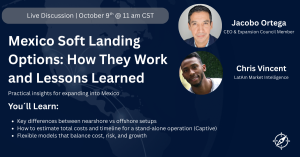
How to setup a temporary or permanent Mexico Subsidiary, for Nearshore Delivery or to enter the LATAM Market

How to setup a temporary or permanent Mexico Subsidiary, for Nearshore Delivery or to enter the LATAM Market

Learn how Tech Companies and SAP Partners are using new frameworks that enable cross-border operations in Canada and Mexico. With mostly remote work, tech companies are extending their hiring radius to cities located a short flight away from their HQ and customer sites.

AGENDA

  • North America Trade Agreement – Work Visas, Mexico’s best nearshore cities & competitors.
  • Frameworks for temporary operations and avoiding costs. When and how to incorporate locally for a permanent operation.
  • Local tax compliance and labor laws for hiring temporary & permanent Mexico workers.
  • Example of Tech Companies & SAP Partners on their nearshore setup.
  • Using the Microsoft Geo Expansion Program for Partners to avoid the market entry learning curve in Latin America.
  • Saas solutions that benefit from this model, as they are implemented mostly remote, with onsite meetings when needed.
Share:

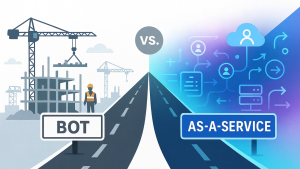
Comparing the BOT Model vs the As-a-Service Framework cove image

Comparing the BOT Model vs the As-a-Service Framework

For years, tech companies expanding offshore that were looking for the advisory of a local expert, favored the Build‑Operate‑Transfer (BOT) model to launch Global Capability Centers (GCCs) or Shared Services Centers. The specialized vendor built the operation from scratch—dedicated infrastructure, a new legal entity, admin staff hiring, policies—then stabilized it and transferred it to the client after a set term. Because the vendor assumes execution risk, BOT pricing typically includes a margin on top of the total operation (a % uplift). It’s more expensive than the Do-It-Yourself approach, but the premium is often justified: it reduces unknown‑country risk and limits budget overruns with a turnkey, governed path to transfer.

Read more »

Financial Analysis of Starting Operations in Mexico: Cost, Risk, and Time-to-Value

For North American B2B tech companies, expanding into Mexico offers both cost savings and access to top talent—but the approach matters. A DIY setup can be slow, risky, and expensive, while the Subsidiary-as-a-Service (SUBaaS) model delivers speed, compliance, and significant savings. By paying only for what they use, companies can reduce operational costs by up to 70%, avoid legal and compliance pitfalls, and launch in weeks instead of months. SUBaaS makes nearshore operations scalable, capex-friendly, and investor-approved—helping businesses stay lean and competitive in a volatile global economy.

Read more »