How Tech Companies are Opening Operations in Mexico while Avoiding Costs

How Tech Companies are Opening Operations in Mexico while Avoiding Costs

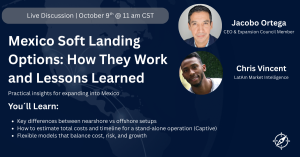
In 2022 North American Tech Companies boosted their use of Mexico for Temporary Teams, while others opened a Sales Office for LATAM, or a Delivery Center. Some followed a traditional route when opening an operation abroad, while others chose to use new frameworks that enabled them to avoid risks and unnecessary costs.  

Thanks for Joiningn us on March 2, 2023 for our live webinar on “How Tech Companies Add Operations In Mexico And Avoid Costs”. You can view the recording of our webinar and find out how new options can enable companies to pilot the region first using a temporary setup or can help you fast-track a full-blown regional office. Mexico gives them access to a larger talent pool while maintaining similar travel distances as from other U.S. cities, optimizing their cost structure in today’s economic climate.

Agenda:

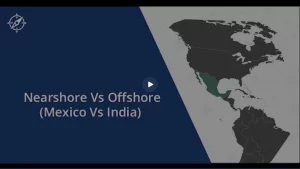
  • Mexico Nearshore Data vs Brazil vs India.
  • Option Comparisons for opening operations and hiring (PEO/EOR, Local Incorporation, Shelter Program, ETC).
  • Timeline & Costs for running a Temporary or Permanent Operation.
  • Common mistakes to avoid for tech companies.
  • Case studies: Silicon Valley SW Company, SAP Partner, IT Consulting Firm.


Share:

Comparing the BOT Model vs the As-a-Service Framework cove image

Comparing the BOT Model vs the As-a-Service Framework

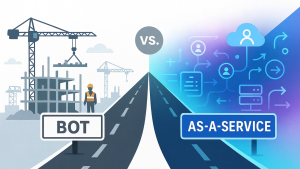
For years, tech companies expanding offshore that were looking for the advisory of a local expert, favored the Build‑Operate‑Transfer (BOT) model to launch Global Capability Centers (GCCs) or Shared Services Centers. The specialized vendor built the operation from scratch—dedicated infrastructure, a new legal entity, admin staff hiring, policies—then stabilized it and transferred it to the client after a set term. Because the vendor assumes execution risk, BOT pricing typically includes a margin on top of the total operation (a % uplift). It’s more expensive than the Do-It-Yourself approach, but the premium is often justified: it reduces unknown‑country risk and limits budget overruns with a turnkey, governed path to transfer.

Read more »

Financial Analysis of Starting Operations in Mexico: Cost, Risk, and Time-to-Value

For North American B2B tech companies, expanding into Mexico offers both cost savings and access to top talent—but the approach matters. A DIY setup can be slow, risky, and expensive, while the Subsidiary-as-a-Service (SUBaaS) model delivers speed, compliance, and significant savings. By paying only for what they use, companies can reduce operational costs by up to 70%, avoid legal and compliance pitfalls, and launch in weeks instead of months. SUBaaS makes nearshore operations scalable, capex-friendly, and investor-approved—helping businesses stay lean and competitive in a volatile global economy.

Read more »