Geo Expansion into Latin America

Geo Expansion into Latin America

Welcome!

When we work together, we can accomplish more.

Today’s Latin America – enabled by technology and e-commerce – is full of opportunities. Its large geographical footprint, commonly spoken languages, rising middle class, and access to the US market make it a unique prospect for Geo Expansion. And with a recent surge in digital enablement, it is no surprise that software businesses are landing there.

While some similarities extend throughout Latin America, each country is unique, with its own culture, benefits, challenges, and regulations. Businesses would be remiss to oversimplify the region. Latin America resembles Europe in much of its attitude, and its countries share some common bonds, making it easier to enter another country if you already have a presence in one (with the exception of Brazil). There are varying, and sometimes very high, barriers to entry in each country that can be navigated by partnering with local market-entry firms.
Share:

Comparing the BOT Model vs the As-a-Service Framework cove image

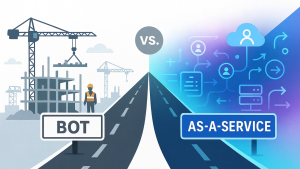
Comparing the BOT Model vs the As-a-Service Framework

For years, tech companies expanding offshore that were looking for the advisory of a local expert, favored the Build‑Operate‑Transfer (BOT) model to launch Global Capability Centers (GCCs) or Shared Services Centers. The specialized vendor built the operation from scratch—dedicated infrastructure, a new legal entity, admin staff hiring, policies—then stabilized it and transferred it to the client after a set term. Because the vendor assumes execution risk, BOT pricing typically includes a margin on top of the total operation (a % uplift). It’s more expensive than the Do-It-Yourself approach, but the premium is often justified: it reduces unknown‑country risk and limits budget overruns with a turnkey, governed path to transfer.

Read more »

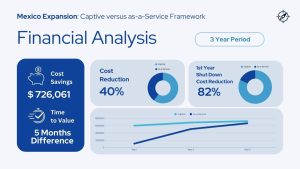
Financial Analysis of Starting Operations in Mexico: Cost, Risk, and Time-to-Value

For North American B2B tech companies, expanding into Mexico offers both cost savings and access to top talent—but the approach matters. A DIY setup can be slow, risky, and expensive, while the Subsidiary-as-a-Service (SUBaaS) model delivers speed, compliance, and significant savings. By paying only for what they use, companies can reduce operational costs by up to 70%, avoid legal and compliance pitfalls, and launch in weeks instead of months. SUBaaS makes nearshore operations scalable, capex-friendly, and investor-approved—helping businesses stay lean and competitive in a volatile global economy.

Read more »

What’s in a Name? GCC-as-a-Service, Micro Capability Center, GBS, CoEs, Subsidiary-as-a-Service, and More

Global expansion is no longer limited to large enterprises—but the terminology used to describe new foreign operations has become confusing. Are companies launching a Global Capability Center, a CoE, a Micro Capability Center, or simply a regional office? The distinction between frameworks like Subsidiary-as-a-Service (SUBaaS) and functions like GCC or GBS is often overlooked, slowing clarity and execution. As nearshore strategies in Mexico grow, Micro Capability Centers—lean, agile teams under SUBaaS—are emerging as the preferred model. Getting the terminology right ensures alignment, realistic expectations, and scalable growth.

Read more »